The wellness industry is booming, with U.S. consumers spending over $450 billion annually on health and wellness products and services. But here’s the challenge: your target audience is scattered across multiple platforms, each with distinct content expectations and engagement patterns. A scattered, reactive social media approach won’t cut it anymore.
This guide provides a strategic 60-day framework for wellness brands looking to build authentic connections, drive measurable conversions, and scale their social presence across TikTok, Instagram, and YouTube.
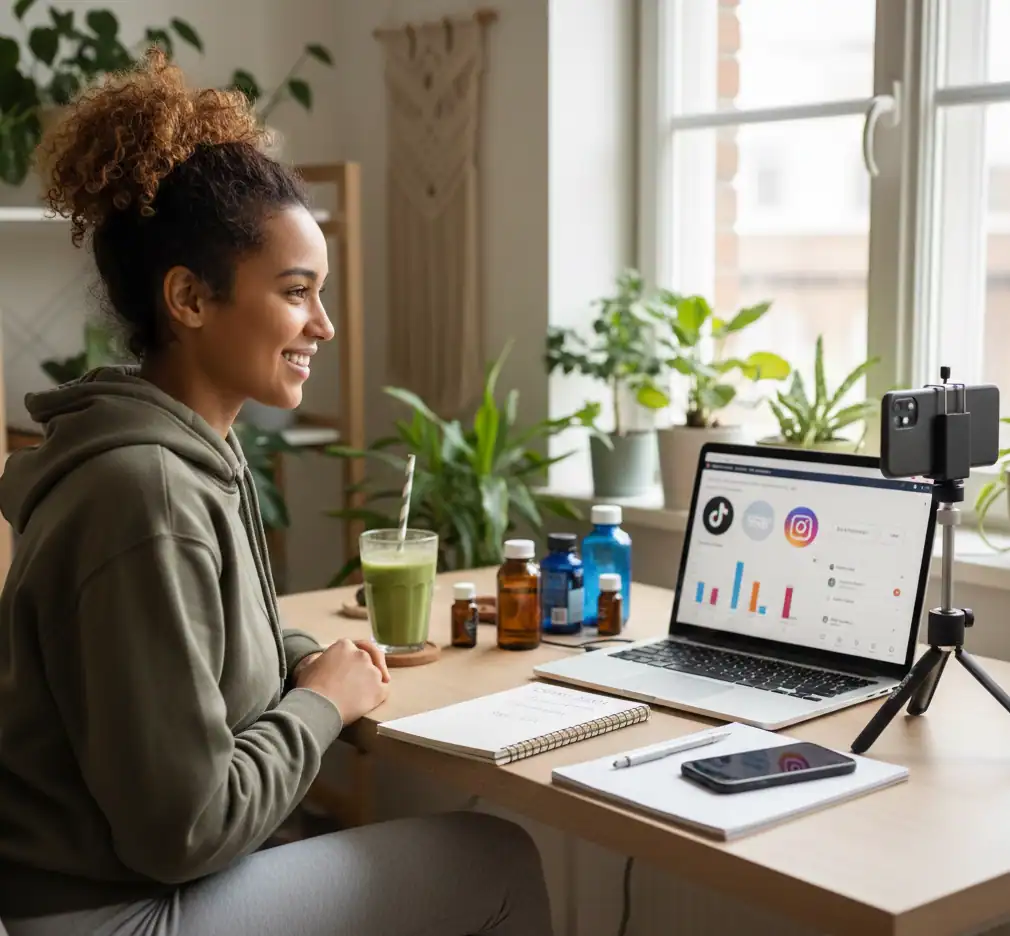
The Platform Trifecta: Where Your Wellness Audience Lives
TikTok: Discovery Engine for Gen Z and Millennials
TikTok isn’t just for dance trends anymore. It’s become the primary discovery platform for wellness content, with hashtags like #WellnessTok (12.8B views) and #HealthyLifestyle (47.2B views) dominating the space.
Why TikTok matters for wellness brands:
- 63% of TikTok users discover new products on the platform
- Wellness content has a 1.8x higher engagement rate than other categories
- The algorithm favors authentic, educational content over polished production
Content types that perform:
- Quick wellness hacks (15-30 seconds)
- Morning/evening routine videos
- Supplement stacking guides
- Myth-busting content
- Behind-the-scenes product creation
Optimal posting cadence: 4-7 times per week, focusing on 10am-12pm and 7pm-9pm EST when wellness-focused users are most active.
Instagram: Community Building and Visual Storytelling
Instagram remains the cornerstone for wellness brand building, particularly for audiences aged 25-44. With Reels, Stories, and static posts, you have multiple touchpoints to nurture your community.
Why Instagram matters for wellness brands:
- 81% of users research products on Instagram before purchasing
- Instagram Stories have a 15-25% average swipe-up rate for wellness content
- Shoppable posts drive direct conversions
Content mix that works:
- Reels: Educational content, transformations, quick tips (4-5x per week)
- Stories: Daily check-ins, polls, behind-the-scenes, user-generated content
- Feed posts: High-quality lifestyle imagery, testimonials, product education (3-4x per week)
- Carousels: In-depth guides, ingredient breakdowns, before/after journeys
Optimal posting cadence: 5-7 posts per week (including Reels), with daily Stories to maintain visibility.
YouTube: Long-Form Authority and SEO Power
YouTube is your long-term asset. While TikTok and Instagram drive immediate engagement, YouTube builds lasting authority and continues to drive traffic months and years after publication.
Why YouTube matters for wellness brands:
- 500+ hour watch time for wellness-related content searches monthly
- Videos rank in Google search results, expanding your reach beyond the platform
- Higher intent audience actively seeking solutions
Content pillars that convert:
- How-to tutorials (10-15 minutes)
- Product deep-dives and reviews
- Wellness routines and lifestyle vlogs
- Expert interviews and Q&As
- Scientific breakdowns of ingredients or methods
Optimal posting cadence: 1-2 videos per week with consistent upload days to train your algorithm and audience.
The Power of User-Generated Content (UGC)
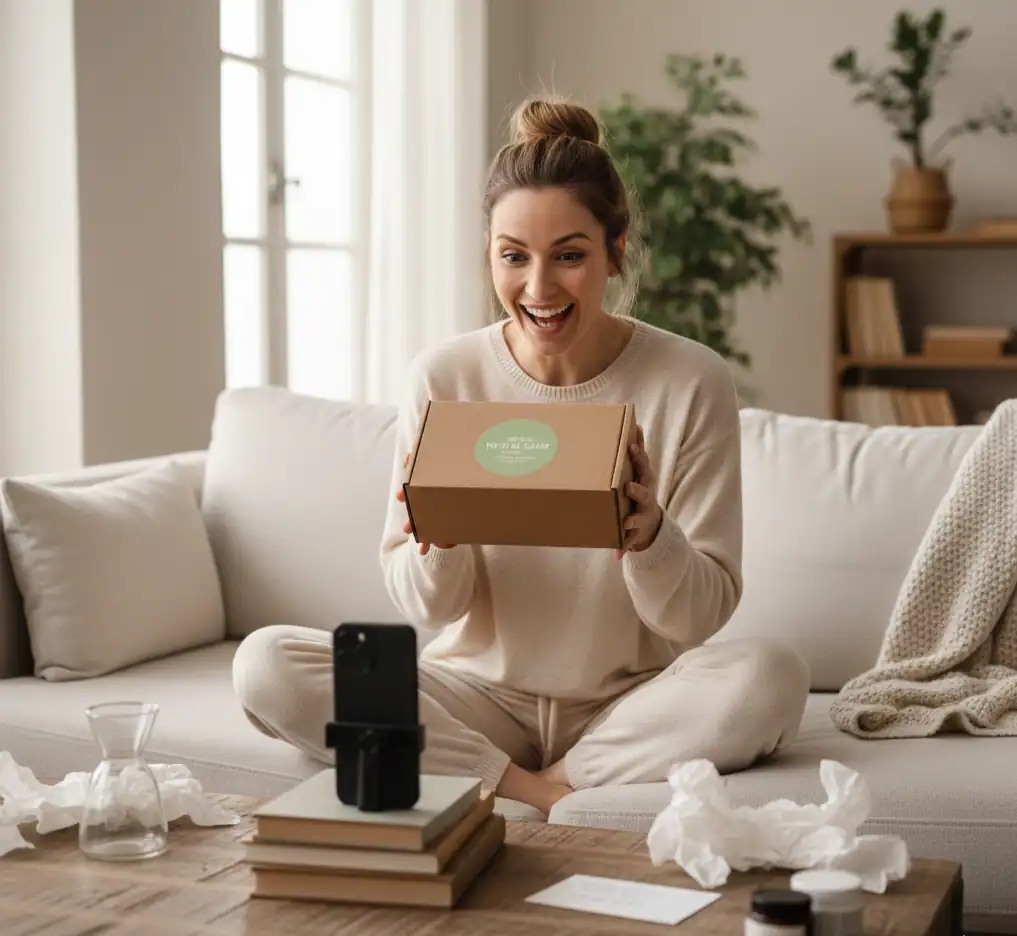
User-generated content is the secret weapon for wellness brands. According to recent data, UGC has a 4.5x higher conversion rate than brand-created content, and 79% of consumers say UGC highly impacts their purchasing decisions.
Why UGC Works for Wellness
Wellness is personal. People don’t want to see polished advertisements; they want to see real results from real people who look like them, live like them, and face similar wellness challenges.
Your 60-Day UGC Strategy
Weeks 1-2: Foundation
- Create a branded hashtag campaign
- Reach out to existing customers for testimonials
- Offer incentives for content creation (discounts, feature opportunities)
- Set up a UGC collection system (rights management, approval workflow)
Weeks 3-4: Amplification
- Feature 3-5 pieces of UGC per week across platforms
- Create UGC-based ads for paid campaigns
- Engage with every piece of tagged content
- Launch a monthly UGC contest or challenge
Weeks 5-8: Optimization
- Analyze which UGC types drive highest engagement and conversions
- Build relationships with top contributors
- Create UGC content guides for your community
- Develop a UGC ambassador program
UGC Content Types That Perform
- Unboxing videos showing genuine first impressions
- Before/after transformation content with specific timeframes
- Routine integration showing how products fit into daily life
- Honest reviews highlighting both benefits and realistic expectations
- Lifestyle content featuring your products naturally
Creator Partnerships: Beyond the Influencer Model
Influencer marketing has evolved. Wellness consumers are savvy and can spot inauthentic partnerships immediately. The shift is toward long-term creator partnerships built on genuine product love.
Identifying the Right Creators
Micro-influencers (10K-100K followers):
- Higher engagement rates (3-6% vs. 1-2% for macro-influencers)
- More affordable for testing partnerships
- Niche audiences that align closely with specific wellness subcategories
- Perceived as more authentic and trustworthy
Mid-tier creators (100K-500K followers):
- Proven content quality and consistency
- Established audience trust
- Professional approach to partnerships
- Better ROI for larger campaigns
Your 60-Day Creator Partnership Framework
Month 1: Discovery and Outreach
- Identify 20-30 creators whose audiences align with your brand values
- Analyze their content quality, engagement rates, and audience demographics
- Prioritize creators who already discuss topics relevant to your products
- Reach out with personalized pitches (avoid generic templates)
- Offer product seeding with no strings attached to test alignment
Month 2: Activation and Optimization
- Launch 3-5 paid partnerships with proven alignments
- Provide creative freedom with brand guidelines
- Set clear KPIs: engagement rate, traffic, conversions using unique codes
- Create platform-specific content (TikTok native content, not repurposed Instagram)
- Plan for multi-touch campaigns (not one-off posts)
Partnership Models That Work
Affiliate programs: Creators earn commission on sales, aligning incentives with performance.
Long-term ambassadorships: 3-6 month partnerships with monthly deliverables build authentic advocacy.
Co-creation opportunities: Involve creators in product development or limited edition launches for deeper investment.
Content licensing: Secure rights to use creator content in your own paid advertising.
Content Cadence: Your 60-Day Publishing Schedule
Consistency trumps perfection. Here’s your optimal content mix for sustainable growth without burnout.
Week-by-Week Breakdown
Weeks 1-2: Foundation Phase
- TikTok: 8-10 posts (daily content focused on education and quick tips)
- Instagram: 7-10 posts including Reels and carousel posts, plus daily Stories
- YouTube: 2 videos (launch with strong SEO-optimized content)
- Focus: Establish your content pillars and voice
Weeks 3-4: Engagement Phase
- TikTok: 10-12 posts (add trending audio while maintaining brand relevance)
- Instagram: 8-12 posts (introduce more UGC features)
- YouTube: 2 videos (respond to common questions from your audience)
- Focus: Increase two-way conversations and community building
Weeks 5-6: Experimentation Phase
- TikTok: 10-14 posts (test different formats, duets, stitches)
- Instagram: 10-14 posts (experiment with posting times and content types)
- YouTube: 2 videos (try different video lengths and formats)
- Focus: Analyze what’s working and double down
Weeks 7-8: Optimization Phase
- TikTok: 12-14 posts (lean into top-performing content types)
- Instagram: 12-15 posts (establish predictable content themes by day)
- YouTube: 2-3 videos (increase frequency if sustainable)
- Focus: Create repeatable systems and batch content production
Batching for Efficiency
Don’t create content daily. Instead, dedicate specific days to content creation:
- Content planning day: Map out 2 weeks of content at once
- Filming day: Batch shoot 8-12 pieces of content in one session
- Editing day: Process all content for the upcoming week
- Engagement day: Dedicate time to comments, DMs, and community interaction
Measurement: UTM Tracking and Pixel-Based Attribution
Social media activity without measurement is just noise. Here’s how to track what actually drives results for your wellness brand.
UTM Parameter Strategy
UTM parameters are tags added to URLs that help you track exactly where traffic and conversions come from.
Structure your UTMs consistently:
- ?utm_source=instagram
- &utm_medium=social
- &utm_campaign=60day-wellness-launch
- &utm_content=reel-morning-routine
- &utm_term=organic
Best practices for wellness brands:
- Use utm_source for the platform (tiktok, instagram, youtube)
- Use utm_medium for content type (organic_social, paid_social, influencer)
- Use utm_campaign for your specific initiatives (product_launch, awareness_campaign)
- Use utm_content for specific posts or creative variants (video_1, carousel_benefits)
- Create a UTM tracking spreadsheet to maintain consistency
Tools to generate and manage UTMs:
- Google’s Campaign URL Builder
- UTM.io for team collaboration
- Spreadsheet templates for tracking all your links
Pixel Implementation for Conversion Tracking
Social platform pixels allow you to track specific actions users take after engaging with your content, building audiences for retargeting, and measuring true ROI.
Essential pixels to implement:
Meta Pixel (Instagram/Facebook):
- Install on your website to track page views, add to carts, and purchases
- Create custom events for newsletter signups, quiz completions, or specific page visits
- Build lookalike audiences based on your best customers
TikTok Pixel:
- Track TikTok-specific conversions and attribute sales correctly
- Enable TikTok Shop integration if selling directly on platform
- Use event tracking for view content, add to cart, and complete payment
Google Analytics 4:
- Set up enhanced e-commerce tracking
- Create custom events for micro-conversions (blog reads, video watches)
- Build audience segments for retargeting on YouTube
Key Metrics to Track Weekly
Engagement metrics:
- Total reach and impressions by platform
- Engagement rate (likes, comments, shares, saves per impression)
- Average watch time (for video content)
- Story completion rate
Traffic metrics:
- Website clicks by UTM source
- Landing page views by campaign
- Bounce rate by traffic source
Conversion metrics:
- Lead form submissions by source
- Newsletter signups by campaign
- Product page views by content type
- Purchase conversion rate by referral source
- Customer acquisition cost by platform
Dashboard Setup
Create a weekly reporting dashboard that includes:
- Social platform native analytics (engagement, reach, follower growth)
- Google Analytics traffic and conversion data filtered by UTM parameters
- E-commerce platform conversion data by referral source
- Creator partnership performance (unique code usage, attributed revenue)
- Cost per acquisition by channel for paid amplification
Use tools like Google Data Studio, Tableau, or even Google Sheets to consolidate this data into one view that tells your growth story.
Download your free 2-week content calendar template
Start mapping your wellness brand’s social media strategy today. This plug-and-play template includes posting schedules for TikTok, Instagram, and YouTube, content theme recommendations, UTM tracking sheets, and creator outreach templates.
Putting It All Together: Your 60-Day Action Plan
Days 1-14: Setup Phase
- Audit current social presence and baseline metrics
- Install all tracking pixels on your website
- Create UTM naming conventions and tracking spreadsheet
- Identify content pillars and create content calendar
- Research and list 30 potential creator partners
- Set up UGC collection and approval workflow
Days 15-30: Launch Phase
- Begin consistent posting according to your content cadence
- Engage daily with your community (comments, DMs, mentions)
- Reach out to first round of creators for partnerships
- Launch branded hashtag campaign to encourage UGC
- Start collecting data on content performance
- Run first A/B tests on content types and posting times
Days 31-45: Optimization Phase
- Analyze first month’s data to identify top-performing content
- Double down on what’s working, cut what’s not
- Activate first paid creator partnerships
- Feature UGC prominently across all platforms
- Begin building lookalike audiences from pixel data
- Refine content calendar based on learnings
Days 46-60: Scale Phase
- Increase posting frequency on best-performing platforms
- Launch paid amplification using organic top performers
- Expand creator partnerships to 5-7 active collaborations
- Implement retargeting campaigns using pixel audiences
- Document your systems and processes for team scaling
- Plan next 60 days based on data-driven insights
Common Pitfalls to Avoid
Over-polished content: Wellness audiences crave authenticity. Perfect studio lighting and scripted content often underperform genuine, relatable moments.
Ignoring comments and DMs: Social media is social. Brands that don’t engage with their community see 40% lower growth rates.
Inconsistent posting: The algorithm rewards consistency. Missing weeks damages your reach more than you might expect.
Not tracking properly: You can’t improve what you don’t measure. Implement tracking from day one, even if imperfect.
Chasing every trend: Not every TikTok trend makes sense for your brand. Stay authentic to your wellness niche.
One-off creator posts: Single sponsored posts rarely move the needle. Build relationships for ongoing partnerships.
Ignoring negative feedback: Address concerns transparently. Wellness consumers expect brands to stand behind their products.
Ready to Transform Your Social Strategy?
The wellness space is crowded, but brands that combine authentic storytelling, strategic platform selection, and rigorous tracking consistently break through the noise. Your 60-day journey starts with one post, one creator relationship, one piece of user-generated content.
The brands winning in wellness aren’t those with the biggest budgets; they’re the ones showing up consistently, listening to their community, and letting data guide their decisions.